



A recruiter found me on LinkedIn. He hires for FAANG companies, and he liked my portfolio. Then he told me something I didn’t expect to hear: my resume doesn’t look good on paper.
Where it went wrong
I was expecting AI to write me a good resume out of my old resume.
But the old resume was already the short version. It didn’t say what I did on each project, which decisions were mine, or what got hard along the way.
So I started looking at how other people were doing this. The more I read, the more I noticed my problem wasn’t the prompt. It was what I was giving the AI to work with.
1. Build a project database first
database with everything you know about each project
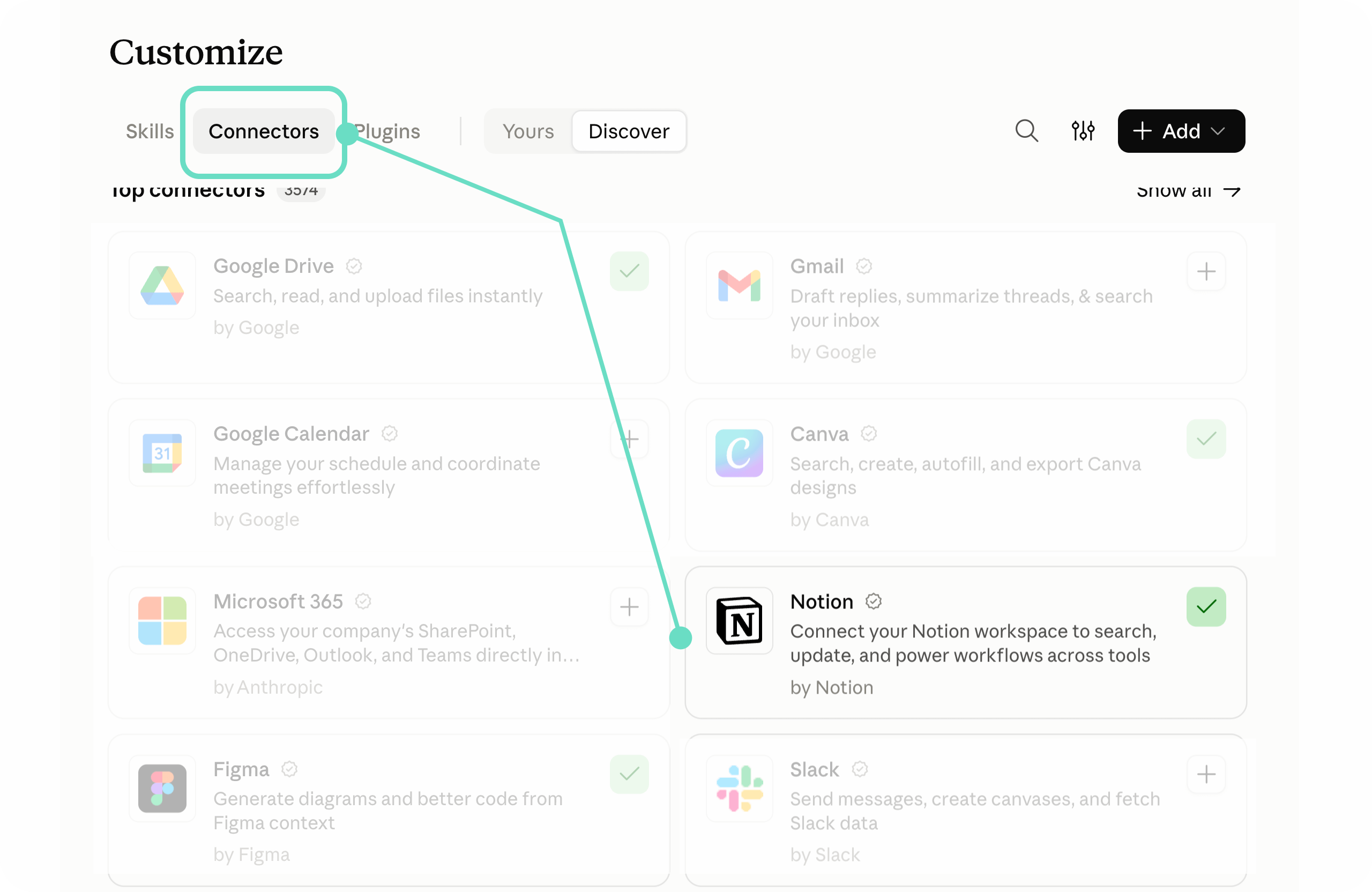
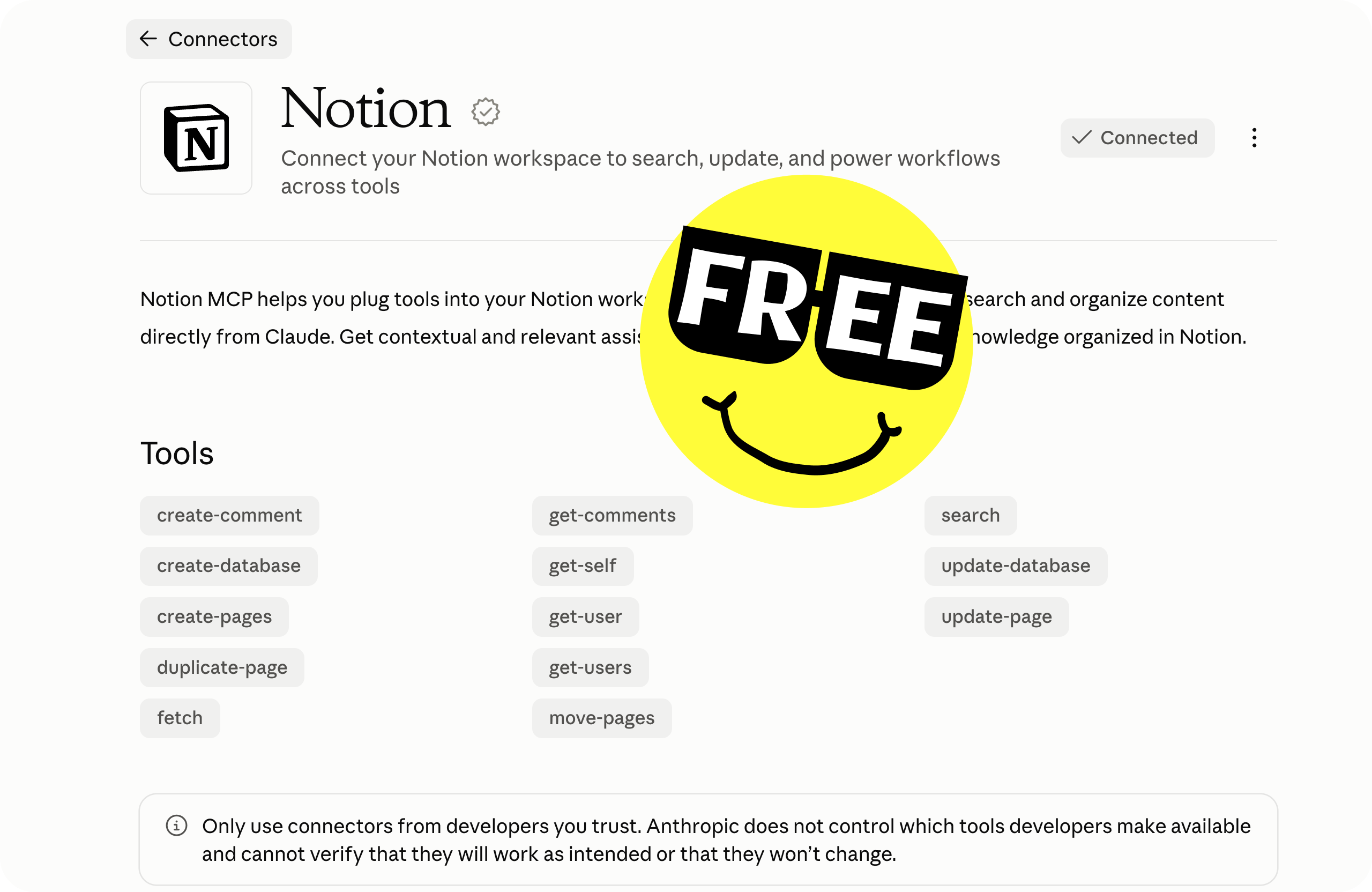
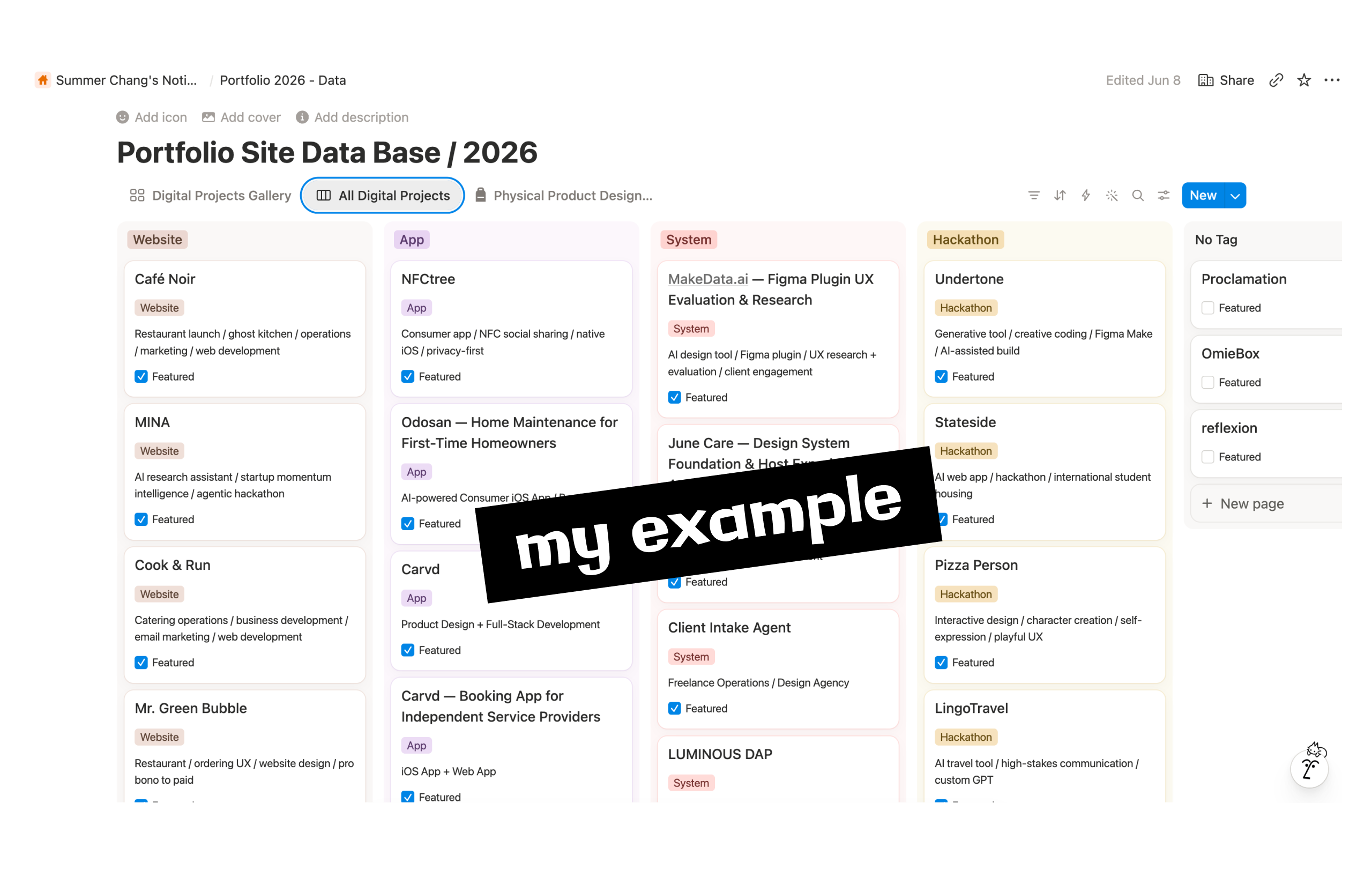
I set it up database in Notion, one page per project. (Using a connector with your LLM of choice; in my case, I use Claude.) For each one I write down everything I know about it: what I did, how I went about it, what the challenges were and what I did to overcome them, the process, and the research behind it.
WHAT GOES ON EACH PROJECT PAGE
The project, company, my role, dates
The problem we were solving
The research
My process and the decisions
The challenges, and how I got past them
Any outcome I can back up
This takes longer than writing a resume. But it’s the part the AI can’t do for you, and it’s what makes everything after it work.
2. Sorting projects by the story they tell
Once the projects were in, I categorized them. Then I looked at the kinds of questions I’ve been asked in interviews and grouped those too.
Build your story bank for the longer gain.
For each type of question, I know which project is the story I bring up and how I’m going to explain it. So the database isn’t only for the resume. The resume and the interview prep pull from the same place.
Pin this at the top of the chat
Do NOT make anything up.
No employers, titles, dates, tools, or numbers I did not give you.
If you need a metric I have not given you, ask me. Do not guess.
3. Plugging it in
Now when I find a job I want and align with my experience, I give the AI three things:
Here’s the order I run it in.
✨ Match✨ Compare this job posting to my resume. Using my project database, list each qualification the posting asks for and the project that proves it. If nothing proves it, say so.
✨ Rewrite ✨ Rewrite my resume for this job using only what’s in my database. If you need a detail you don’t have, ask me first.
✨ Score✨ Score how well this version matches the posting, out of 100. List what’s still missing.
You GOT this! 💖

Resource for this section
Jobscan, Aug 7 2026. Their Claude resume workflow uses the same rule: “Never invent employers, titles, dates, tools, or numbers. If a bullet would be stronger with a metric I haven’t given you, ask me for it instead of guessing.” How to write a resume with Claude
Fortune, Aug 10 2026. Hiring leaders say a resume that reads as a perfect match is now a red flag. Kathleen Walch, Project Management Institute: “If you do that, you’re losing your authentic human self.” Your résumé looks like a perfect match